Beyond the holiday postcard
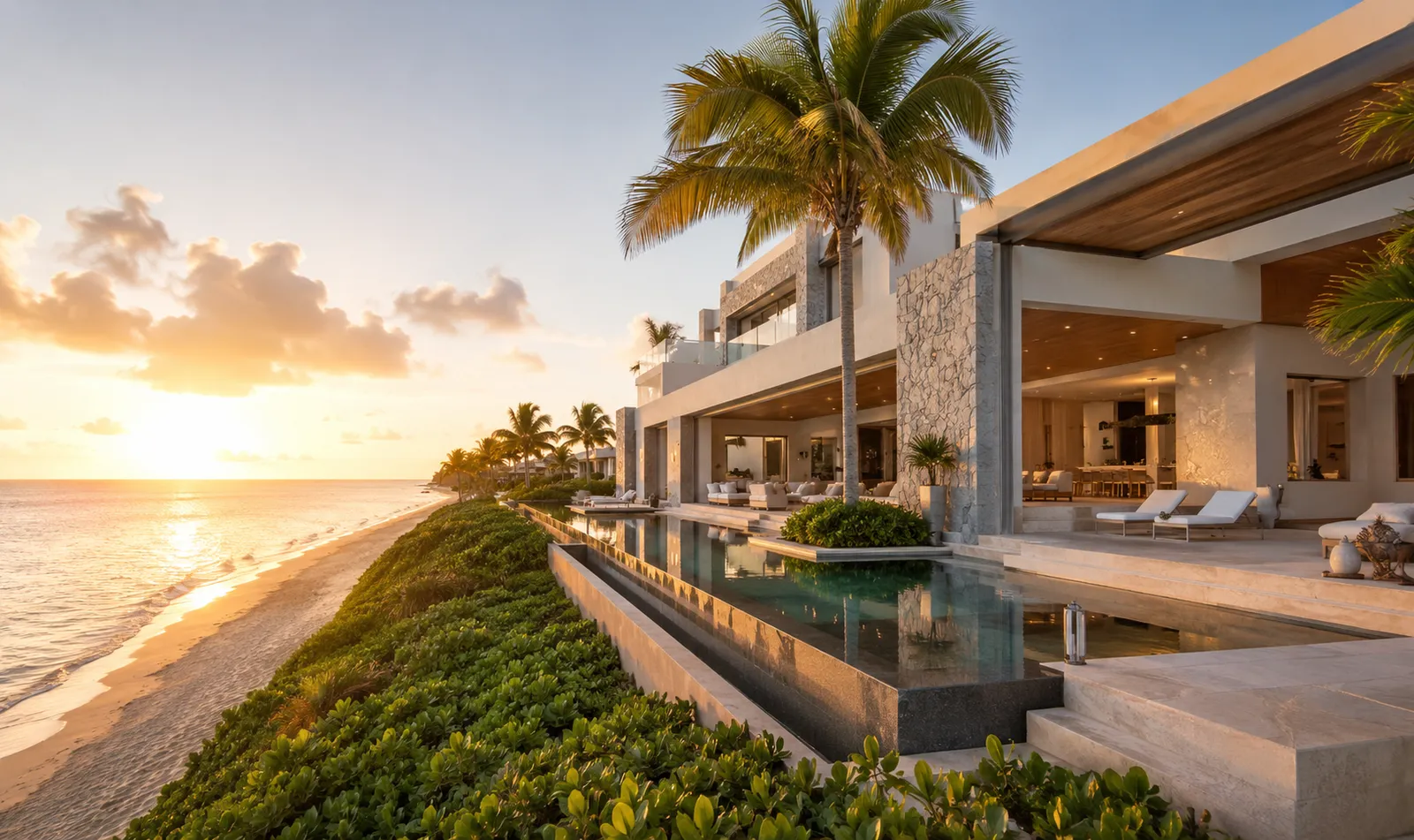
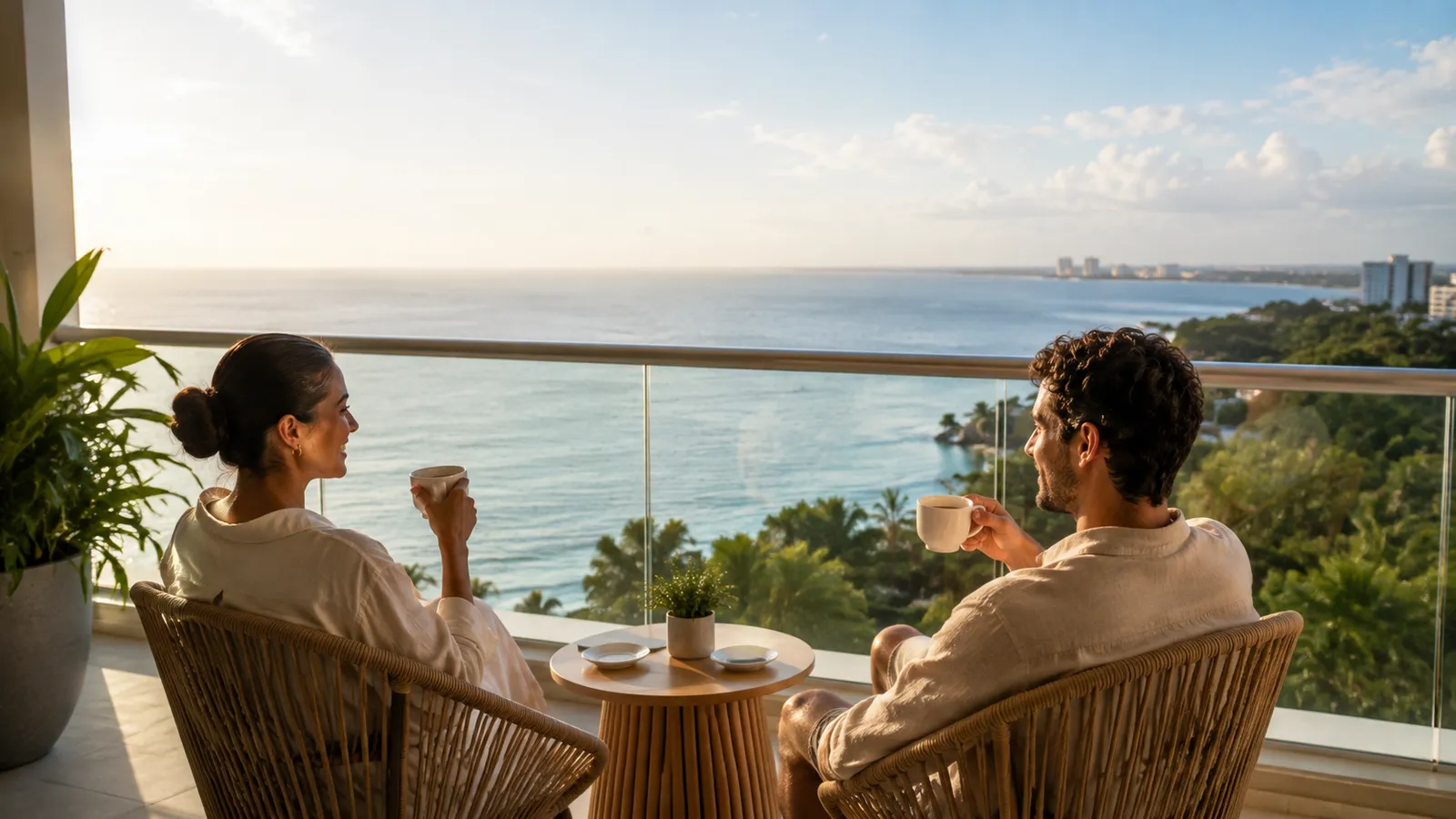
Living in the Dominican Republic as a Spanish citizen is an increasingly common choice for people seeking good weather, quality of life and an established Spanish-speaking community. When considering a move or extended stays, people often imagine an endless holiday. Reality, as in any country, is more nuanced, and it is better to understand it before investing rather than afterwards.
The climate: tropical all year, with some nuances
The Dominican Republic enjoys a stable tropical climate throughout the year, with temperatures rarely falling below 20°C, even in cooler months. There is a rainy season, roughly from May to November, and a higher risk of cyclonic events between August and October. This is typical of the Caribbean and worth considering, particularly when looking for beachfront property.
Cost of living: lower than Spain, with exceptions
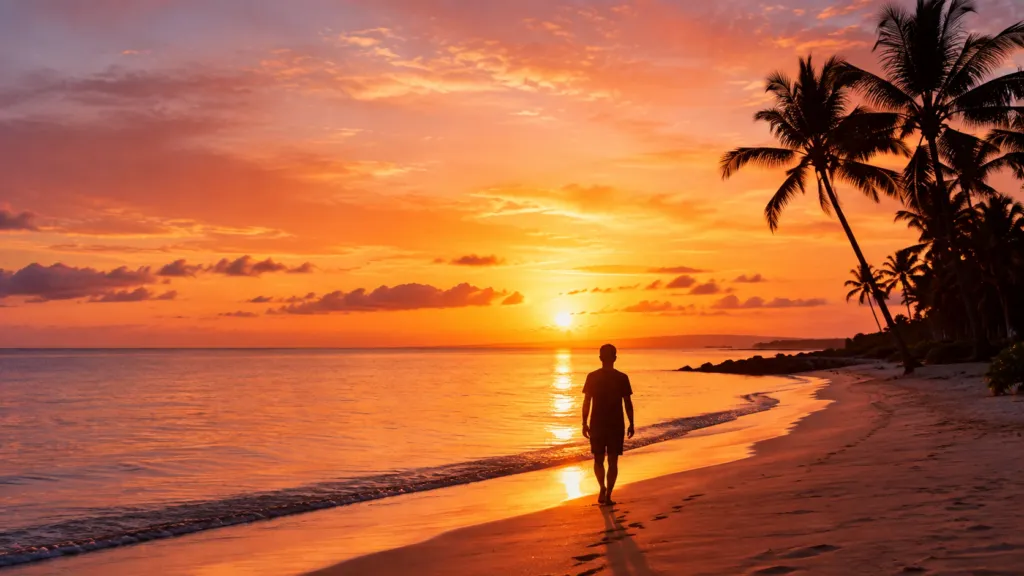
In general, everyday living costs, including local food, transport and services, are lower than in Spain. Imported products and some services aimed at international customers, however, may cost as much as or more than you are used to. The key is to adapt your purchasing habits to the local market rather than trying to reproduce your life in Spain exactly.
Healthcare: good private facilities in the main areas
Santo Domingo and the main tourist areas have good private clinics and hospitals, many with internationally trained doctors. As in most expatriate destinations, the general recommendation is to have private medical insurance covering care in the country rather than relying solely on the local public healthcare system.
A Spanish and European expatriate community
The community of Spanish and European residents in the Dominican Republic has grown considerably in recent years, especially in Santo Domingo, Las Terrenas and Punta Cana. This makes settling in easier, from practical everyday recommendations to administrative advisers and professionals accustomed to international clients.
Language and culture: an easier transition
Spanish is the official language, removing one of the main barriers found in other investment destinations. Culturally, the Dominican Republic shares historical roots and a warm, welcoming character with Spain, often making adaptation easier than in destinations with entirely different languages and cultures.
Transport and everyday life
Formal public transport is limited outside the capital, so most foreign residents choose to have their own car from the outset. In tourist areas, many residential communities are designed for walking or using a golf cart within the grounds, which makes everyday life much simpler once you are settled.
Living in the Dominican Republic as a Spanish citizen, or simply investing?
You do not need to move to the Dominican Republic to invest there. Many of our clients buy property as an investment or a holiday home without living there permanently. If you later consider extended stays or relocation, however, an honest understanding of these aspects will help you decide based on real information, not just the holiday image.
There is no single right way to live in the Dominican Republic as a Spanish citizen. It depends on your lifestyle, your comfort with change and how much time you actually want to spend there each year. Talking to other Spaniards who have already made the move is often more useful than any article, including this one, before making a decision.
Do you have specific questions about everyday life in a particular area? Write to us; often the best answer comes from someone already living there.